$ 60
Product is not available in this quantity.
How we grade the condition of our books:
New: New directly from publisher or artist.
As New: The book is in pristine, original condition as when published. This grade may apply to older books that have been carefully stored, never shelved, thumbed, or opened.
Fine: A Fine book is nearly As New in condition but without being crisp. The book may have been opened and read, but shows no defects to the book, jacket, or pages.
Near Fine: A book approaching Fine (or As New) but with a couple of very minor defects or faults, which must be noted by the seller
Very Good: A book showing small signs of wear but no tears on either binding or paper. The book maintains its structural integrity, and any defects must be noted by the seller.
Good: Describes a book with average wear while maintaining complete text pages. The book is intact and readable, but shows signs of use. Any defects must be noted by the seller.
Fair: A worn book that has complete text pages (including those with maps or plates) but may lack endpapers, half-title, etc. (which must be noted).The binding and jacket (if any) may show significant wear. All defects should be noted.
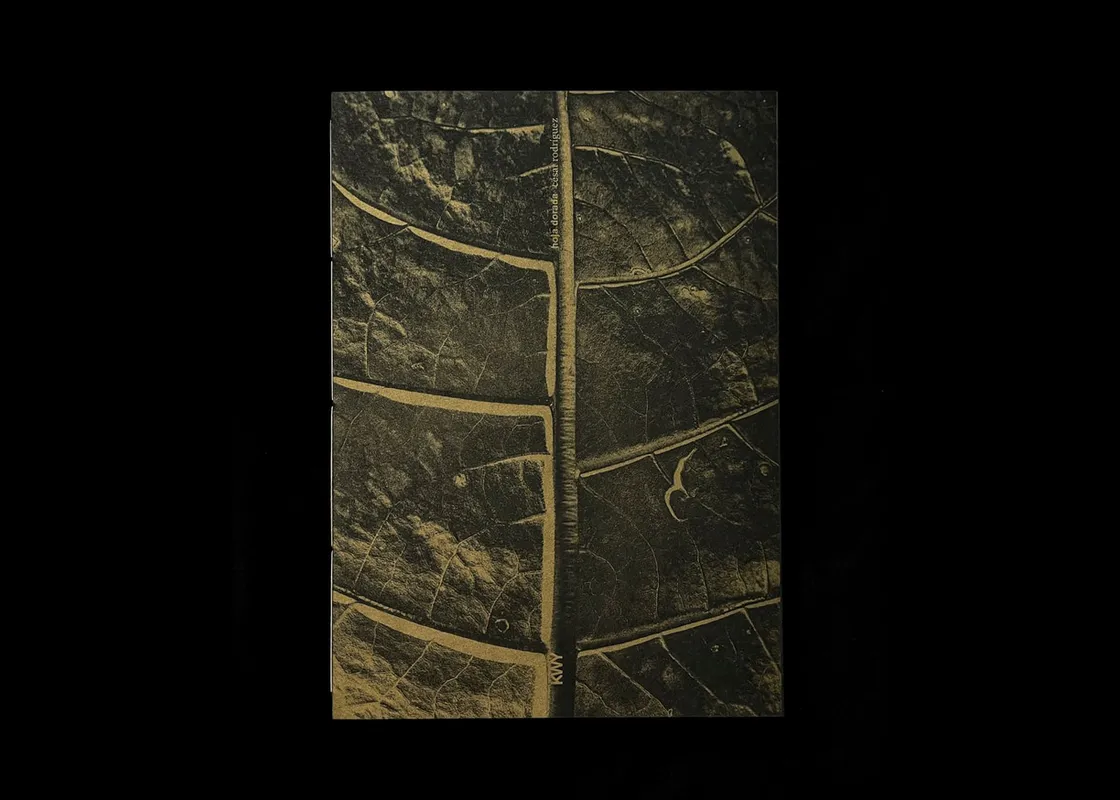
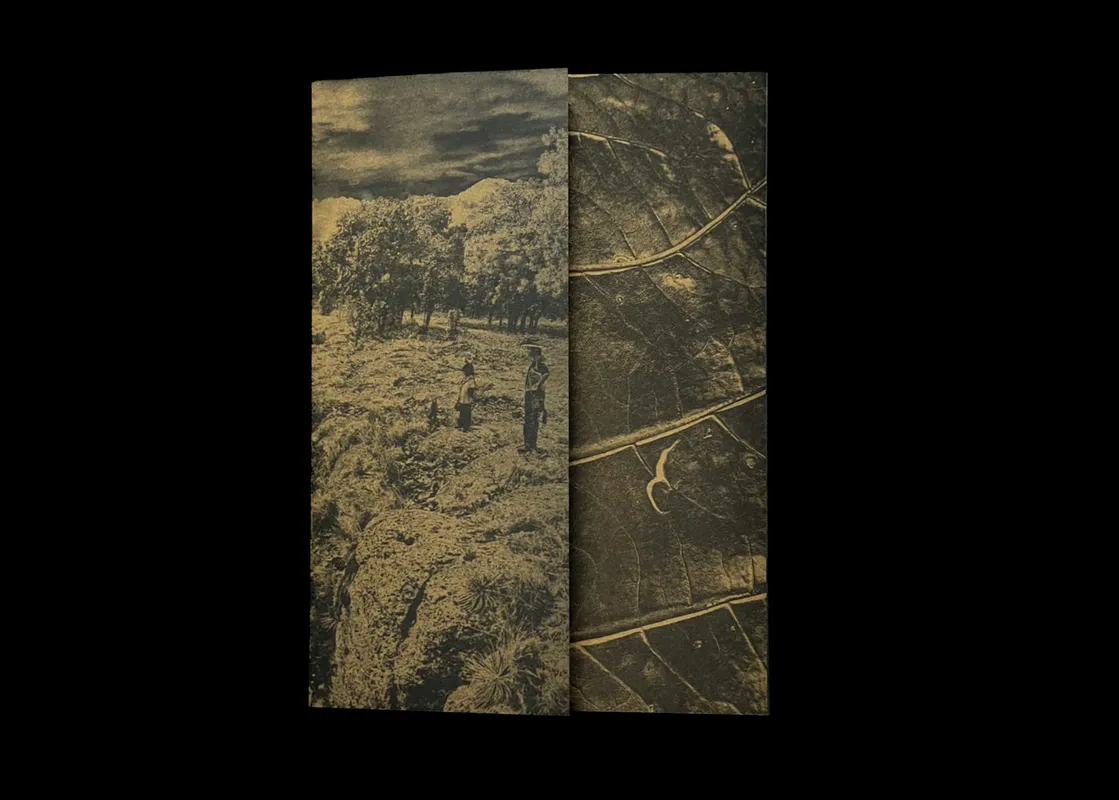
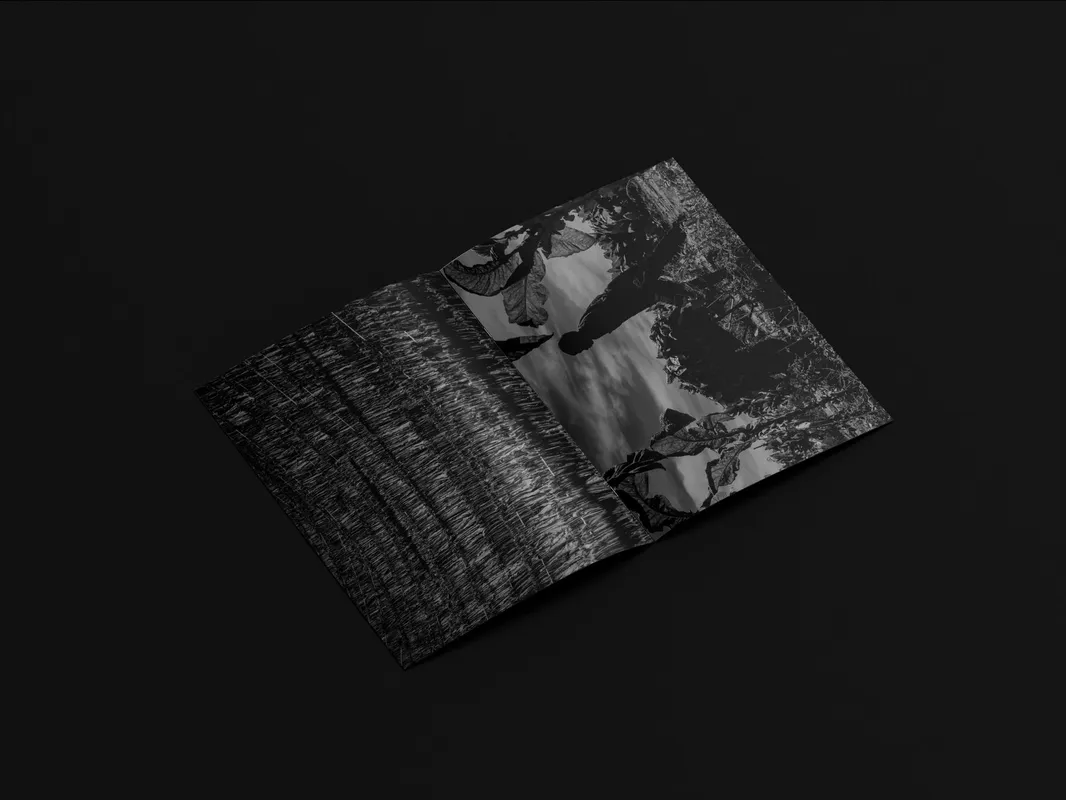
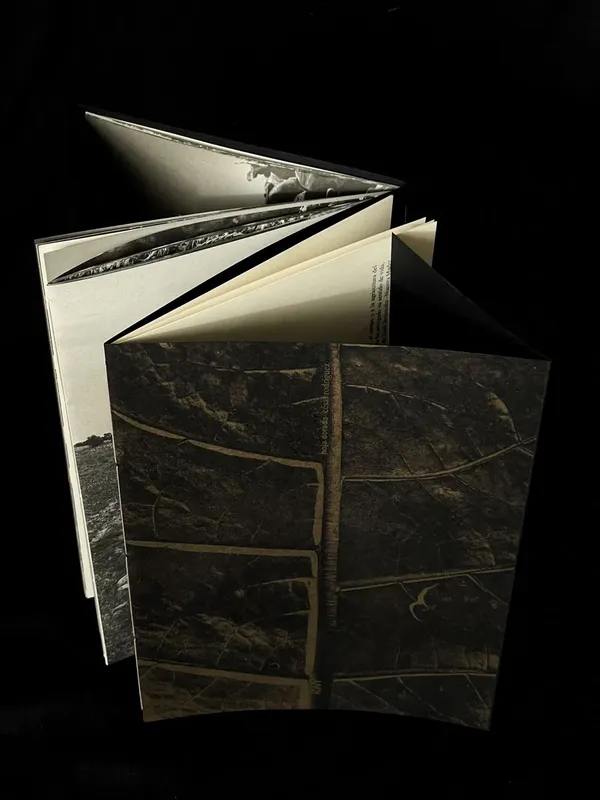
Hoja dorada, or “golden leaf”, tells the lives of tobacco workers who travel from the mountains of Jalisco, Nayarit, Durango and some of Zacatecas to the tobacco fields on the coast of Nayarit. Most families are indigenous Wixaritari, Wixarika for the singular person. Entire families who make long trips to come to work in the area that was once called The Gold Coast due to the profits it left for the large tobacco companies, but not for the day laborers. Families often travel from far away on foot and stay throughout the tobacco cutting season, which lasts approximately 6 months. They live and sleep in the same tobacco fields under very poor conditions, they sleep in enchanted tents, they cook in stoves made of the same clay where they sleep, and they bathe in irrigation canal contaminated by chemical pesticides.